
Introduction: Why Forests Are Important
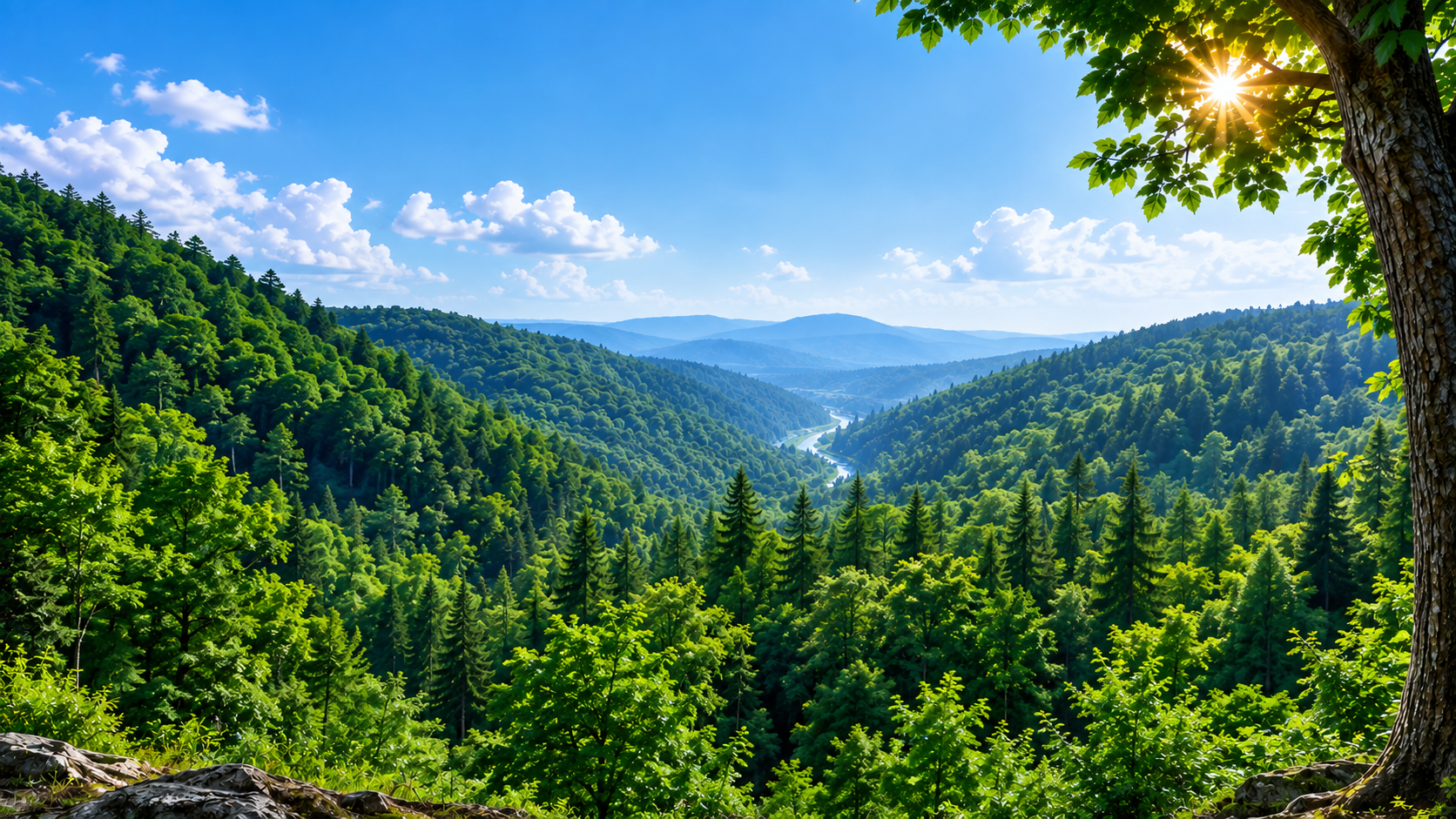
Forests are one of the most valuable parts of our natural world. Covering large areas of land, forests provide homes for countless animals and plants while supporting people and ecosystems in many different ways. From peaceful green landscapes to dense tropical rainforests, forests are also an important part of the beauty of nature.
But forests are much more than beautiful places. Understanding why forests are important helps us appreciate their role in supporting life on Earth. Forests contribute to biodiversity, water systems, soil health, climate regulation, and the livelihoods of many communities.
A walk through a forest can make us notice tall trees, colorful flowers, birds, insects, streams, and wildlife. What we see, however, is only a small part of a much larger ecosystem. Beneath the forest floor and within the tree canopy, thousands of living organisms interact with one another.
In this article, we will explore 10 important reasons why forests are important for our planet and why protecting them should be a priority for everyone.
1. Why Forests Are Important for Wildlife
One of the most important reasons forests matter is that they provide habitats for wildlife.
Forests are home to a huge variety of animals, birds, insects, reptiles, and other organisms. Different species depend on different parts of the forest. Some live high in tree canopies, while others live among plants, inside tree trunks, or on the forest floor.
A single forest can contain many interconnected habitats. Trees may provide nesting places for birds, while fallen leaves and branches create shelter for insects and small organisms.
When forests are damaged or destroyed, wildlife can lose the habitats they depend on.
This is why why forests are important is closely connected to biodiversity. Protecting forests also means protecting the many species that live within them.
2. Why Forests Are Important for Biodiversity
Biodiversity refers to the variety of living organisms found in an environment. Forests are among the most biologically diverse ecosystems on Earth.
Different trees, flowers, fungi, insects, mammals, and birds can exist together in complex relationships.
Some animals depend on particular plants for food, while certain plants rely on insects or birds for pollination and seed dispersal.
This creates a connected ecosystem in which every species can have a role.
The importance of forests therefore goes far beyond the trees themselves. When we protect forests, we help preserve an enormous variety of life.
Biodiversity also makes ecosystems more resilient. A healthy ecosystem with many species can better respond to environmental changes than a severely damaged ecosystem.
3. Why Forests Are Important for the Environment
Forests play an important role in maintaining healthy environmental systems.
Trees absorb carbon dioxide during photosynthesis and store carbon in their biomass and surrounding ecosystems. Forests therefore form an important part of the global carbon cycle.
Trees also release oxygen as part of photosynthesis. While forests should not be described simply as the world’s “oxygen factories,” their overall contribution to Earth’s atmosphere and carbon cycle is extremely important.
Healthy forests also influence local environments by providing shade, supporting moisture, and interacting with soil and water systems.
Understanding why forests are important for the environment helps us see why forest conservation matters at both local and global levels.
4. Why Forests Are Important for Water
Forests are closely connected with water.
Trees and vegetation can help slow rainfall as it reaches the ground. Forest soils can absorb and store water, while roots help stabilize soil and reduce erosion.
Forested watersheds can contribute to cleaner and more stable water systems.
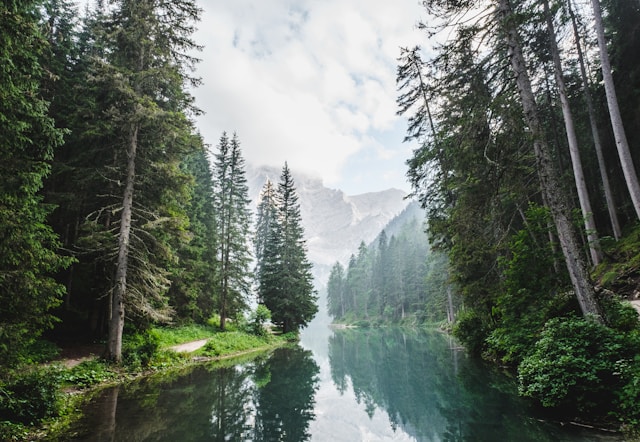
Streams and rivers flowing through forest landscapes also support plants, animals, and human communities.
When forests are removed, changes in vegetation and soil conditions can affect water movement and increase erosion.
This is another major reason why forests are important. Healthy forests and healthy water systems are often closely connected.
5. Why Forests Are Important for Soil
Healthy soil is essential for plants, agriculture, and ecosystems.
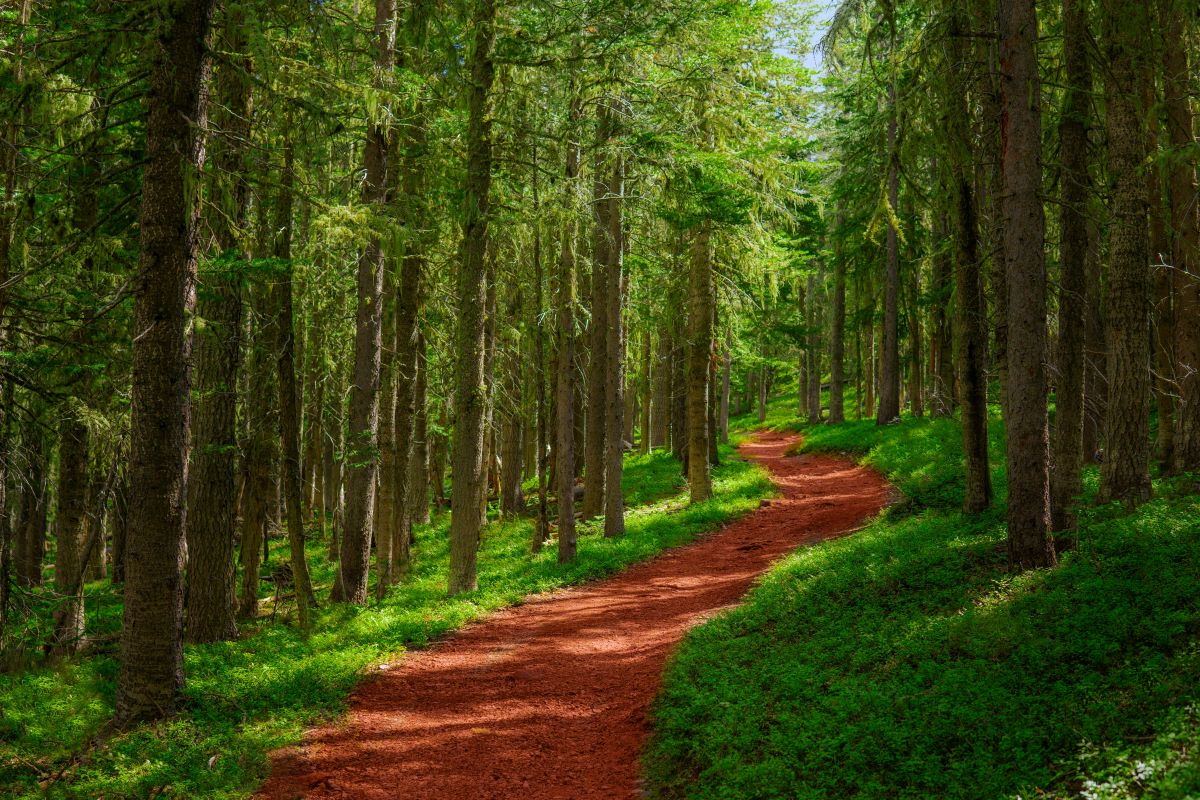
Forests help protect soil through their roots, fallen leaves, branches, and other organic material. Tree roots can help hold soil together, while the forest floor can reduce the impact of heavy rainfall.
When forests disappear, exposed soil may be more vulnerable to erosion.
Over time, severe erosion can remove nutrient-rich topsoil and affect nearby rivers and waterways.
The importance of forests is therefore also connected to maintaining healthy land.
Protecting forests can help protect the soil that supports plant life and many human activities.
6. Why Forests Are Important for the Climate
Forests interact with the climate through carbon storage, water cycling, shade, and other ecological processes.
Trees absorb carbon dioxide from the atmosphere and store carbon in their trunks, branches, roots, leaves, and surrounding soils.
When forests are destroyed or severely degraded, some of this stored carbon can be released.
This is one reason forest conservation is frequently discussed as part of broader efforts to address climate change.
However, forests should not be viewed as a single solution to climate change. Reducing greenhouse gas emissions across the economy remains essential.
Still, understanding why forests are important for the climate shows why protecting existing forests and restoring appropriate degraded landscapes can be valuable environmental strategies.
7. Why Forests Are Important for People
Forests are also important to human communities.
People around the world depend on forests for food, materials, medicines, fuel, employment, recreation, and cultural traditions.
Many communities have developed close relationships with nearby forests over generations.
Forests can provide fruits, nuts, seeds, fibers, timber, and other resources when managed responsibly.
They also provide recreational spaces where people can hike, photograph wildlife, observe birds, camp, or simply enjoy nature.
The benefits of forests are therefore not limited to wildlife and plants. Human societies are also connected to healthy forest ecosystems.
8. Why Forests Are Important for Natural Beauty
Forests are among the most beautiful natural environments in the world.
Tall trees, green leaves, wildflowers, streams, waterfalls, moss-covered rocks, and sunlight filtering through branches can create peaceful landscapes.
The appearance of forests changes with the seasons. Spring may bring new leaves and flowers. Summer can create dense green canopies. Autumn may fill forests with golden and red colors, while winter can create quiet landscapes of bare branches and snow.
This changing scenery is part of the beauty of forests.
Spending time in natural environments can also give people an opportunity to slow down and appreciate the world around them.
9. Why Forests Are Important for Pollinators
Forests provide food and habitat for many pollinating animals.
Bees, butterflies, moths, birds, bats, and other organisms can depend on flowering plants found within forest ecosystems.
Pollination is an important ecological process because it allows many plants to reproduce.
A healthy forest can contain flowers that bloom at different times of the year, providing resources for pollinators across seasons.
Protecting forests therefore helps support not only large animals but also small organisms that play important ecological roles.
This is another example of why forests are important even when their ecological benefits are not immediately visible.
10. Why Forests Are Important for Future Generations
Perhaps one of the most important reasons to protect forests is that future generations should have the opportunity to experience them.
A forest that disappears may take decades or much longer to recover, depending on the ecosystem and the level of damage.
Children today may grow up to become scientists, photographers, conservationists, travelers, or simply nature lovers. They deserve to see healthy forests and experience the wildlife and landscapes they contain.
Protecting forests today is therefore an investment in the future.
The importance of forests extends beyond our present needs because ecosystems can provide benefits for generations.
How Deforestation Affects Forest Ecosystems
Deforestation occurs when forests are cleared or converted to other land uses.
Forest loss can have serious consequences for biodiversity, soil, water systems, and local communities.
Animals may lose habitats, ecosystems may become fragmented, and soil may become more vulnerable to erosion.
Deforestation can also affect the carbon stored in forests.
The effects are not always immediate. Some environmental changes may develop gradually over years.
This is why understanding why forests are important is essential before making decisions that could permanently change forest landscapes.
How We Can Protect Forests
Protecting forests requires action from governments, businesses, communities, and individuals.
There is no single solution. Effective forest conservation can include protecting valuable habitats, improving land management, restoring degraded areas, supporting sustainable forestry, reducing illegal forest destruction, and respecting the rights and knowledge of local communities.
Individuals can also make responsible choices.
We can reduce unnecessary waste, use paper responsibly, recycle where appropriate, support sustainable products, avoid littering in natural areas, and learn more about forest conservation.
Visiting forests responsibly is important too. Visitors should remain on designated trails, avoid disturbing wildlife, and take their waste with them.
Small actions alone cannot solve every environmental problem, but they can contribute to a broader culture of environmental responsibility.
Why Forests Are Important in Our Daily Lives
Many people may not realize how connected their daily lives are to forests.
The paper we use, materials in various products, food resources, water systems, and many ecological services are connected directly or indirectly to forests.
Even people who live far away from forests can benefit from healthy forest ecosystems.
This connection reminds us that forests are not distant places that matter only to people who live near them.
The importance of forests is global.
Forests and Our Connection With Nature
Forests can help people reconnect with the natural world.
Modern life often involves spending long periods indoors, using digital devices, and living in highly developed environments.
Walking through a forest offers something completely different.
The sound of birds, movement of leaves, smell of soil, changing light, and presence of trees create a sensory experience that technology cannot fully replace.
For nature lovers, forests offer endless opportunities for exploration and discovery.
A simple walk can reveal insects, flowers, birds, mushrooms, streams, and other details that are easy to miss.
Frequently Asked Questions
Why are forests important for our planet?
Forests are important because they support biodiversity, provide wildlife habitats, contribute to water and soil systems, store carbon, support communities, and provide valuable ecosystem services.
Why are forests important for animals?
Forests provide animals with food, shelter, nesting areas, breeding habitats, and protection. Many species depend on specific forest environments for survival.
How do forests help the environment?
Forests contribute to carbon storage, biodiversity, soil protection, water regulation, and habitat conservation. They are important components of healthy ecosystems.
Why should we protect forests?
We should protect forests because they support wildlife, biodiversity, communities, water systems, and future generations. Forest conservation also helps preserve important natural landscapes.
How can individuals help protect forests?
Individuals can reduce waste, use resources responsibly, support sustainable products, avoid littering, respect protected areas, and learn about responsible environmental practices.
What happens if forests disappear?
Forest loss can result in habitat destruction, biodiversity decline, soil erosion, changes to water systems, and the release of stored carbon. The effects vary depending on the location and scale of forest loss.
Final Thoughts
Understanding why forests are important helps us appreciate that forests are much more than collections of trees.
They are living ecosystems filled with plants, animals, fungi, insects, water, soil, and countless relationships between different forms of life.
Forests provide habitats for wildlife, support biodiversity, protect soil, contribute to water systems, store carbon, and offer beautiful spaces where people can connect with nature.
Their value is environmental, social, economic, and cultural.
The next time you walk beneath a forest canopy, take a moment to look around. Notice the trees, listen to the birds, observe the plants, and think about everything happening around you.
A forest may appear quiet, but it is actually full of life.
Protecting these ecosystems means protecting an important part of our planet and ensuring that their beauty and benefits remain available for generations to come.
Pingback: 10 Reasons to Love the Beauty of Sunrise and Sunset