
Introduction: The Beauty of Mountains
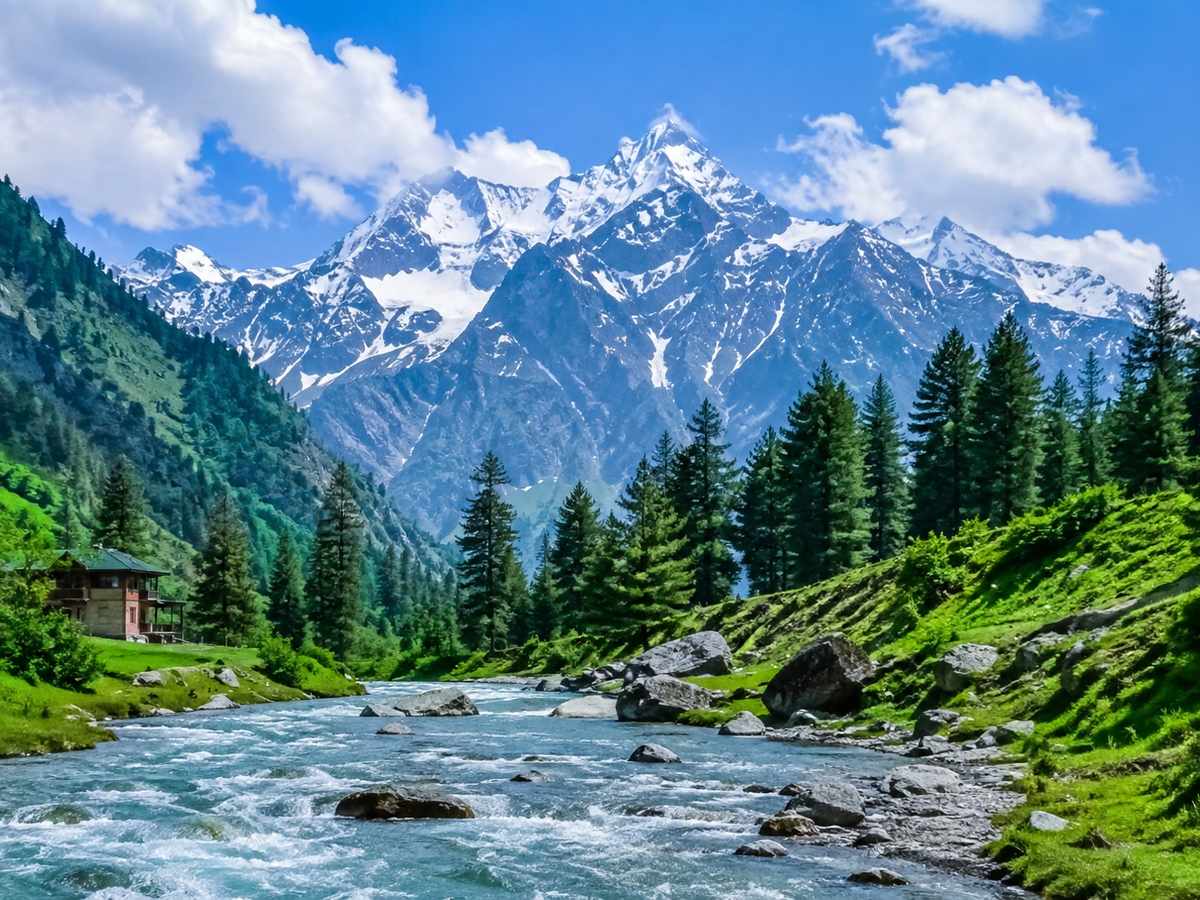
Few natural landscapes are as powerful and breathtaking as mountains. Rising high above valleys, forests, and plains, mountains create some of the most unforgettable views on Earth. Their snow-covered peaks, green slopes, rocky cliffs, waterfalls, and peaceful valleys show us the incredible beauty of mountains.
For centuries, people have been fascinated by mountain landscapes. Travelers visit them for adventure, photographers capture their scenery, and nature lovers travel long distances simply to experience their peaceful atmosphere. Mountains can make us feel small compared with the enormous natural world around us, yet they can also make us feel connected to something much greater.
The beauty of mountains is not limited to their appearance. Mountains are important ecosystems that provide habitats for plants and animals, influence weather and climate, store water, and support communities. They are both beautiful landscapes and essential parts of our planet.
In this article, we will explore the magic of mountains, discover why people love them, and understand why protecting these magnificent natural places matters.
1. The Beauty of Mountains Creates a Sense of Wonder
One of the first things people notice about mountains is their incredible size. A mountain peak rising above the horizon can completely transform a landscape.
When sunlight touches a mountain in the early morning, its colors and shadows can change from one moment to the next. During sunset, the same mountain may appear golden, orange, purple, or dark against the evening sky.
This constantly changing scenery is one reason the beauty of mountains feels so special. Even if you visit the same mountain several times, the experience may never be exactly the same.
Weather also changes mountain landscapes dramatically. Clouds can surround a peak, rain can create waterfalls, and snow can turn rocky slopes into bright white landscapes.
Mountains remind us that nature does not need human decoration to create something extraordinary.
2. The Beauty of Mountains and Their Snow-Covered Peaks
Snow-covered mountains are among the most recognizable natural landscapes in the world. White peaks rising against a blue sky create a scene that can look almost unreal.
During winter, snow can cover mountain slopes and create beautiful contrasts between white peaks, dark rocks, and green forests. In warmer seasons, melting snow can feed rivers and waterfalls.
The beauty of mountains becomes particularly dramatic when sunlight reflects from snowy peaks. Early morning and late afternoon can create especially beautiful views as the changing light highlights the shape of the landscape.
Snow also plays an important environmental role. Mountain snow and glaciers can store freshwater and contribute to rivers and water systems that support people, agriculture, plants, and wildlife.
Therefore, snowy mountains are not only beautiful to look at; they are also important natural resources.
3. The Beauty of Mountains, Forests, and Green Valleys
Mountains are rarely just rocks and peaks. Many mountain regions contain forests, grasslands, rivers, lakes, and valleys that create complete ecosystems.
Green forests covering mountain slopes can make landscapes look peaceful and refreshing. In spring and summer, wildflowers may add bright colors to mountain meadows, while autumn can transform forests with shades of yellow, orange, and red.
The combination of mountains and vegetation creates a special kind of natural beauty. Tall peaks in the background, green forests in the middle distance, and rivers flowing through valleys can form unforgettable scenery.
This combination also demonstrates how different elements of nature work together. Trees, plants, water, soil, animals, and mountains form interconnected ecosystems.
The beauty of mountains is therefore much more than a single peak. It is the complete landscape that surrounds it.
4. The Beauty of Mountains and Peaceful Mountain Lakes
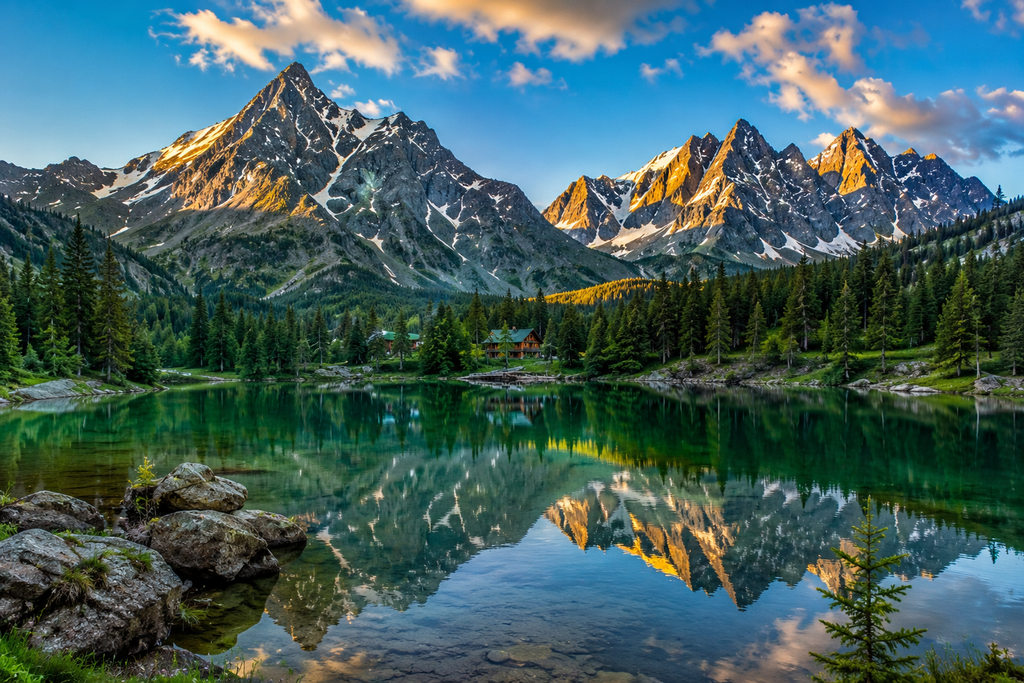
Mountain lakes add another dimension to natural scenery. A clear lake surrounded by mountains can create an incredibly peaceful view.
On a calm day, mountain peaks may be reflected in the surface of the water. The reflection can make the landscape appear twice as large and even more dramatic.
Mountain lakes can also change with the weather. Clouds reflected on the water may create a soft and mysterious atmosphere, while sunlight can make the lake sparkle.
For photographers and travelers, these locations can be especially inspiring.
The peaceful environment around mountain lakes also offers an opportunity to slow down and enjoy nature. Instead of traffic, buildings, and constant noise, visitors can hear flowing water, birds, wind, and other natural sounds.
This peaceful atmosphere is one of the reasons the beauty of mountains attracts people who want to escape busy everyday life.
5. The Beauty of Mountains Inspires Adventure
Mountains are not only places for peaceful views. They also attract people who enjoy adventure and exploration.
Hiking, trekking, climbing, camping, skiing, and mountain photography are popular activities in many mountain regions.
A mountain trail can provide a sense of discovery. As hikers move higher, the scenery often changes. Forests may give way to grasslands, rocky landscapes, or snowy terrain.
Reaching a viewpoint after a long hike can be especially rewarding. Looking across valleys and distant peaks can create a feeling of achievement as well as appreciation for nature.
However, mountain adventures require preparation and respect. Weather can change quickly, trails can be difficult, and high-altitude environments can be challenging.
Enjoying the beauty of mountains responsibly means understanding the environment and taking appropriate safety precautions.
6. The Beauty of Mountains Provides a Home for Wildlife
Mountain environments support a wide variety of wildlife. Different species have adapted to forests, rocky slopes, alpine meadows, and high-altitude environments.
Depending on the region, mountain ecosystems may provide habitats for birds, mammals, insects, reptiles, and many plant species.
Some mountain animals have special adaptations that help them survive cold temperatures, limited food, steep terrain, or changing weather conditions.
Mountain plants can also be remarkable. Some species are able to grow in environments where temperatures are low and soil conditions are difficult.
This biodiversity adds another important dimension to the beauty of mountains.
When we look at a mountain landscape, we may see only rocks, trees, and snow. But underneath that beautiful scenery is a complex ecosystem filled with life.
7. The Beauty of Mountains and Water
Mountains play an important role in the water cycle. Rain and snow that fall in mountain regions can contribute to rivers, streams, lakes, and groundwater.
Many communities depend on mountain water for drinking, agriculture, energy, and other needs.
Mountain waterfalls are one of the most beautiful examples of the relationship between mountains and water. Water flowing down steep rocky slopes can create powerful and visually impressive landscapes.
Small streams running through green valleys can also create peaceful scenery.
This connection between mountains and water demonstrates that natural beauty and environmental importance often exist together.
The beauty of mountains is therefore not simply something to admire from a distance. Mountain ecosystems provide resources that are essential for life.
8. The Beauty of Mountains Changes With the Seasons
One of the most fascinating things about mountains is how dramatically they can change throughout the year.
In spring, melting snow and new vegetation can bring fresh colors to mountain landscapes. Wildflowers may appear in meadows, while waterfalls become stronger because of melting snow.
Summer can create green mountain slopes and clear hiking conditions in many regions.
Autumn can transform forests into colorful landscapes filled with yellow, orange, red, and brown leaves.
Winter brings snow, ice, and a completely different atmosphere. Mountain peaks may become bright white, and some landscapes can look quiet and mysterious.
Because of these seasonal changes, the beauty of mountains is never fixed. Nature continuously creates new versions of the same landscape.
9. The Beauty of Mountains at Sunrise and Sunset
Sunrise and sunset can make mountains look even more spectacular.
At sunrise, the first light of the day gradually reaches the peaks. Shadows move across valleys while the sky changes color.
At sunset, the opposite happens. The sky may become orange, pink, red, or purple while mountains appear as dark silhouettes.
Photographers often choose sunrise and sunset because natural light can highlight the shapes and textures of mountain landscapes.
But you do not have to be a photographer to appreciate these moments.
Simply standing quietly and watching the light change can be a memorable experience. These moments remind us that some of the most beautiful experiences in life are simple and free.
10. The Beauty of Mountains Can Bring Peace
Modern life can be busy and overwhelming. People often spend much of their time working, studying, using technology, traveling through crowded cities, and dealing with constant notifications.
Mountain environments offer a very different experience.
The quietness of a mountain valley, the sound of wind through trees, the sight of distant peaks, and the fresh outdoor environment can encourage people to slow down and pay attention to their surroundings.
A walk through a mountain landscape can become an opportunity to disconnect from technology and reconnect with the physical world.
This peaceful quality is one reason many people associate the beauty of mountains with relaxation and mental refreshment.
Even if someone does not climb a mountain, simply viewing mountain scenery can provide a welcome change from an urban environment.
Why Do People Love the Beauty of Mountains?
There is no single reason people are attracted to mountains. Their appeal comes from a combination of beauty, adventure, mystery, peace, and environmental importance.
For some people, mountains represent adventure and challenge. For others, they represent peace and solitude.
Artists may see mountains as sources of inspiration. Photographers may be attracted to their changing light and dramatic landscapes. Travelers may enjoy discovering remote valleys and villages.
Mountains can also create a feeling of perspective. Looking across a huge landscape can remind us that our daily problems are only a small part of a much larger world.
This emotional connection is an important part of the beauty of mountains.
How to Enjoy Mountain Beauty Responsibly
Visiting mountains is a wonderful experience, but it is important to protect the environments we enjoy.
Visitors should avoid leaving litter behind and should take their waste with them. Staying on marked trails can help protect vegetation and reduce damage to fragile habitats.
Wild animals should be observed from a safe distance rather than approached or fed.
It is also important to respect local communities and follow rules established for protected areas.
Responsible travel helps ensure that future generations can experience the same natural landscapes.
Protecting the beauty of mountains begins with understanding that these places are ecosystems, not simply tourist attractions.
Why We Should Protect the Beauty of Mountains
Mountain ecosystems face many environmental challenges. Climate change, habitat loss, pollution, deforestation, unsustainable tourism, and other pressures can affect mountain environments.
Changes in temperature can influence snow, glaciers, water supplies, plants, and wildlife.
Protecting mountains requires cooperation among communities, governments, conservation organizations, travelers, and individuals.
Simple actions can also help. Visitors can reduce waste, respect protected areas, avoid damaging plants, and support responsible tourism.
At a larger level, protecting natural habitats and reducing environmental pressures can help preserve mountain ecosystems.
The beauty of mountains belongs not only to people living today but also to future generations.
Mountain Photography: Capturing the Beauty of Mountains
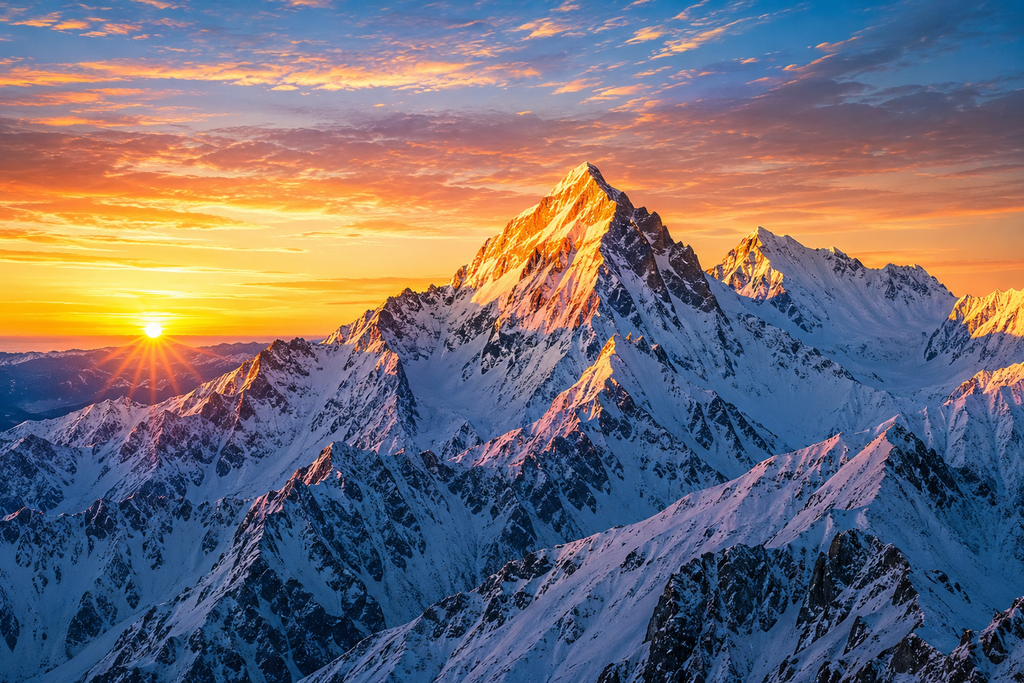
Mountain landscapes are among the most popular subjects for nature photography.
Photographers often focus on natural light, weather, reflections, clouds, wildlife, and seasonal changes.
A photograph taken during sunrise may show warm light across a mountain peak. Another photograph taken during a storm may show a completely different mood.
Photography can help people notice details they might otherwise overlook.
However, it is important to photograph nature responsibly. Photographers should avoid damaging vegetation or disturbing wildlife simply to capture a picture.
The best mountain photographs often come from patience, observation, and respect for the environment.
The Beauty of Mountains as a Source of Inspiration
Mountains have inspired writers, artists, poets, musicians, and travelers for generations.
Their size and permanence can symbolize strength, courage, freedom, and resilience.
A distant mountain can become the setting for a story. A snowy peak can inspire a painting. A quiet valley can encourage reflection.
Nature also reminds us that beauty can exist without human design.
Mountains were formed through natural geological processes over enormous periods of time. Their shapes, valleys, cliffs, and peaks are the results of powerful forces that have shaped our planet.
Understanding this history can make mountain landscapes even more fascinating.
Final Thoughts on the Beauty of Mountains
The beauty of mountains is one of nature’s greatest gifts. From towering peaks and snowy landscapes to green forests, peaceful lakes, flowing waterfalls, and colorful valleys, mountains offer an extraordinary variety of scenery.
But their value goes far beyond beautiful views. Mountains provide habitats for wildlife, support biodiversity, contribute to water systems, influence climate, and provide opportunities for recreation and adventure.
Perhaps that is what makes mountains so magical. They can make us feel peaceful and excited at the same time. They can challenge us physically while giving us moments of deep appreciation and wonder.
The next time you see a mountain landscape, take a moment to look beyond the peak. Notice the trees, water, clouds, wildlife, flowers, and valleys around it.
Every part of the landscape contributes to its beauty.
And if we want future generations to experience the same wonder, we must do more than admire mountains. We must respect them, protect them, and leave them as beautiful as we found them.
Pingback: 10 Reasons to Love the Beauty of Oceans and Blue Waters -