
Introduction
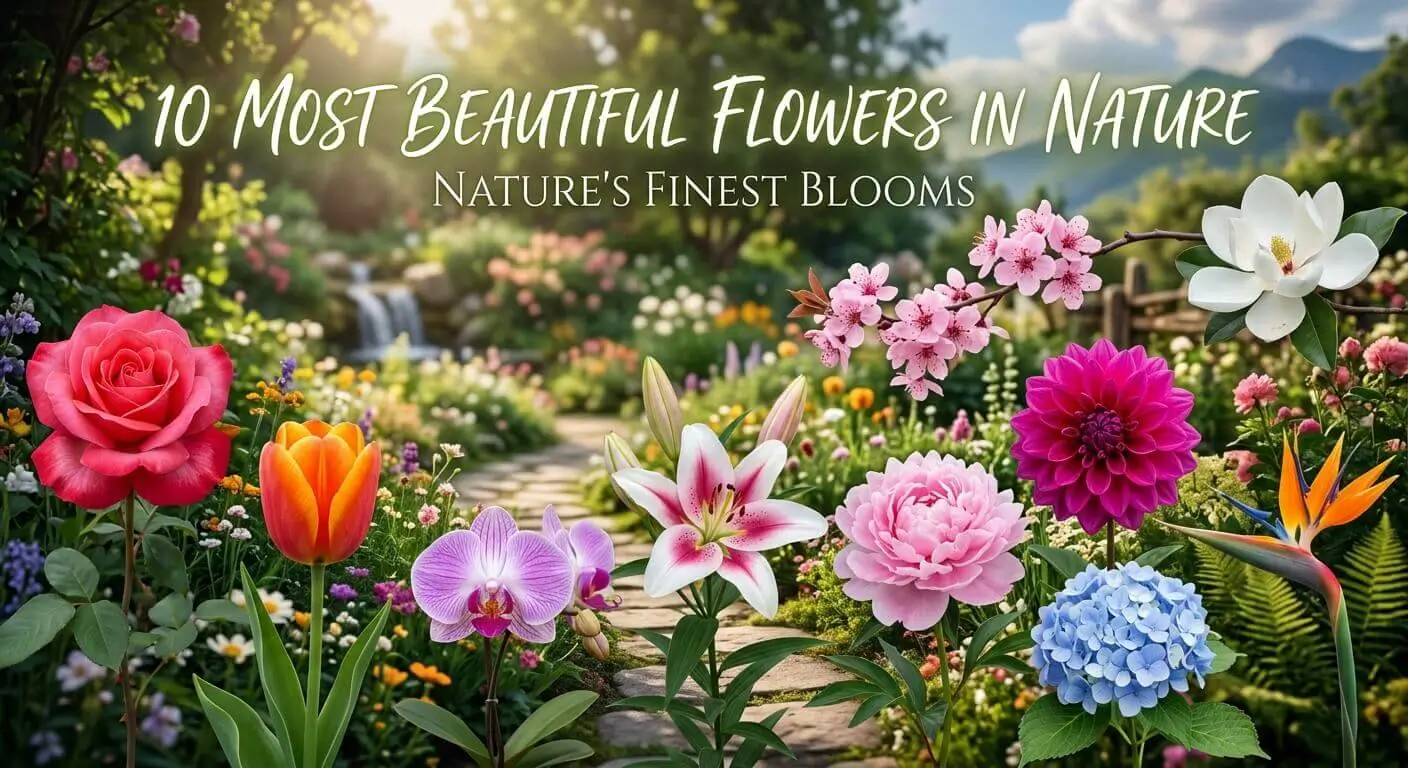
Flowers are among the most beautiful creations found in the natural world. Their vibrant colors, delicate petals, pleasant fragrances, and incredible variety make them a source of joy and inspiration for people everywhere. From a small wildflower growing beside a path to a colorful field covered with thousands of blooms, flowers can transform an ordinary landscape into something extraordinary.
The beautiful flowers in nature are not only attractive to look at; they also play an important role in the environment. Flowers provide food for bees, butterflies, birds, and other pollinators. They help plants reproduce and contribute to healthy ecosystems.
Every flower has its own character. Some are famous for their fragrance, while others are admired for their unusual shapes, bright colors, or ability to survive in challenging environments. Roses are often associated with love, orchids with elegance, sunflowers with happiness, and cherry blossoms with the temporary beauty of life.
In this article, we will explore 10 of the most beautiful flowers in nature and discover what makes each one special.
1. Rose – The Timeless Symbol of Beauty
The rose is one of the world’s most recognizable flowers. With its layered petals, beautiful colors, and often sweet fragrance, the rose has been admired for centuries.
Roses can be found in many colors, including red, pink, white, yellow, orange, and even shades created through cultivation. Different colors are often associated with different meanings. Red roses, for example, are traditionally connected with love and romance, while white roses are often associated with purity and peace.
One of the reasons roses are considered among the most beautiful flowers in nature is their elegant shape. The petals gradually unfold from the center, creating a visually appealing pattern.
Roses are also extremely versatile. They can grow in gardens, parks, landscapes, and natural-looking outdoor spaces. Their beauty makes them popular in photography, art, decoration, and literature.
Beyond their appearance, roses can attract pollinators and contribute to garden ecosystems. Their combination of beauty, fragrance, and cultural significance makes the rose a timeless favorite.
2. Orchid – A Flower of Extraordinary Elegance
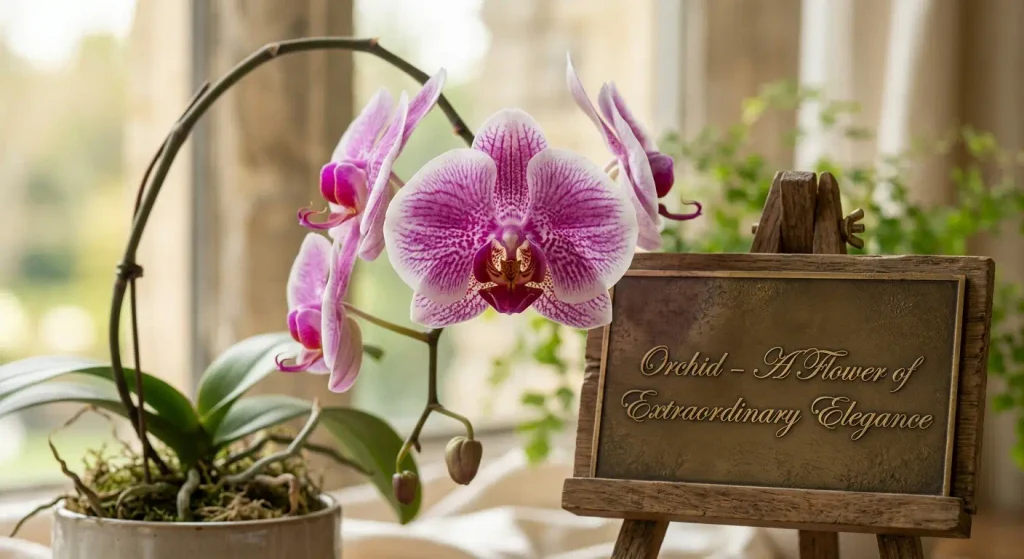
Orchids are among the most beautiful flowers in nature, known for their unusual shapes, fascinating patterns, and incredible diversity. They are found naturally in many parts of the world, particularly in tropical and subtropical environments.
Orchids can have flowers in a wide range of colors, including white, purple, pink, yellow, and green. Some species have intricate markings that almost look like artwork painted onto their petals, making them a stunning example of the beauty of flowers in nature.
What makes orchids especially fascinating is their variety. There are thousands of orchid species, and they can have dramatically different appearances. This incredible diversity is one of the reasons orchids are considered some of the most beautiful flowers in nature.
Many orchids are adapted to specialized environments and have interesting relationships with pollinators. Their unique structures can help attract particular insects, making them an excellent example of the complex relationship between plants and animals.
The elegant appearance of orchids has also made them popular ornamental plants. Their delicate-looking flowers can create a sense of sophistication and calm, while their natural beauty makes them a favorite among flower lovers, gardeners, and nature photographers.
For anyone interested in the beauty of flowers in nature, orchids are a perfect example of how creativity and complexity can exist naturally.
3. Sunflower – A Bright Symbol of Happiness
Few flowers are as cheerful as the sunflower. Its large golden petals surrounding a dark center make it one of the most beautiful flowers in nature and create an appearance that immediately catches the eye.
Sunflowers are known for their association with sunlight and warm summer days. Their bright yellow color can make fields and gardens look lively and inviting, adding to the natural beauty of flowers in nature.
The sunflower is also an interesting plant from a biological perspective. Young sunflower plants display a form of movement in response to light, helping their leaves and developing flower heads receive sunlight.
Sunflower seeds are an important food source for people and wildlife. Birds, in particular, can benefit from sunflower seeds, making these plants useful additions to gardens designed to support wildlife.
A field of sunflowers can be especially breathtaking when many plants bloom together. The combination of golden flowers and blue sky creates one of nature’s most memorable landscapes and shows why sunflowers are often included among the beautiful flowers in nature.
For many people, sunflowers represent positivity, warmth, and joy. Their bright appearance and connection with sunlight make them a wonderful example of the beauty and diversity found throughout the natural world.
4. Cherry Blossom – Delicate Beauty of Spring
Cherry blossoms are famous for their delicate flowers and spectacular seasonal displays. In spring, cherry trees can become covered in pink or white blossoms, creating landscapes that look almost magical. They are widely admired as some of the most beautiful flowers in nature.
Cherry blossoms are particularly admired in Japan, where the seasonal flowering of cherry trees has deep cultural significance. However, beautiful cherry trees can be enjoyed in many parts of the world, making them a wonderful example of the beauty of flowers in nature.
One fascinating aspect of cherry blossoms is that their beauty is temporary. The flowers appear for a relatively short period before falling from the trees. This short blooming season makes them even more special and memorable.
This temporary nature has contributed to their symbolic meaning. Cherry blossoms are often associated with the idea that life and beauty are precious because they do not last forever. Their short blooming season makes them one of the most memorable beautiful flowers in nature.
A road or park lined with blooming cherry trees can be an unforgettable sight. Soft pink and white petals against the spring sky create a peaceful and dreamlike atmosphere. This stunning seasonal display shows why cherry blossoms are considered among the most admired beautiful flowers in nature.
Cherry blossoms demonstrate that the beauty of nature does not have to last forever to be meaningful. Their delicate appearance and short blooming season remind us to appreciate beautiful moments while they are here.
5. Lotus – Beauty Rising From Water
The lotus is one of the most fascinating and beautiful flowers in nature associated with water. It grows in ponds, lakes, and other aquatic environments, producing beautiful flowers above the surface.
Lotus flowers can appear in shades of pink, white, and other colors depending on the species and variety. Their broad petals and large leaves create a distinctive appearance, making them a wonderful example of the beauty of flowers in nature.
One of the most remarkable features of the lotus is its ability to grow in muddy environments while producing a clean and beautiful flower above the water. This unique quality has made the lotus an important symbol in various cultures and traditions.
Lotus flowers are also fascinating from a botanical perspective. Their leaves have special surface properties that allow water to roll off them, helping keep their surfaces relatively clean.
A pond filled with blooming lotus flowers can create an incredibly peaceful landscape. The combination of water, green leaves, and colorful flowers makes the lotus an unforgettable part of the natural world and one of the most beautiful flowers in nature.
6. Tulip – A Celebration of Color
Tulips are famous for their simple yet elegant cup-shaped flowers. They come in an impressive variety of colors, including red, pink, yellow, orange, purple, white, and combinations of several colors.
Tulips are especially popular in spring gardens and large flower fields. When thousands of tulips bloom together, they can create huge stretches of vibrant color.
Their relatively simple shape is part of their appeal. Unlike some flowers with highly complicated structures, tulips have a clean and recognizable form.
Tulips are strongly associated with spring because their blooming season often brings a sense of renewal and new beginnings.
A colorful tulip field is a wonderful example of how individual flowers can become even more impressive when viewed as part of a larger natural landscape.
Whether growing in a garden or appearing in a large field, tulips bring brightness and energy to the environment.
7. Lavender – Beauty With a Wonderful Fragrance
Lavender is admired for both its visual appearance and its distinctive fragrance. Its purple flowers grow in clusters along tall stems, often creating beautiful fields of color.
Lavender landscapes can be especially impressive when many plants bloom together. Rows of purple flowers stretching toward the horizon can create a peaceful and visually stunning scene.
The fragrance of lavender is another reason people love this plant. Its scent is widely used in perfumes, soaps, candles, and other products.
Lavender also attracts pollinators such as bees and butterflies, making it valuable in gardens that support local wildlife.
Its soft purple color, pleasant fragrance, and ability to thrive in suitable climates make lavender a favorite among gardeners and nature photographers.
A lavender field at sunset can be particularly beautiful, with warm sunlight highlighting the purple flowers and creating a peaceful atmosphere.
8. Water Lily – A Peaceful Beauty on the Water
Water lilies are among the most recognizable aquatic flowers. Their flowers and leaves float on the surface of ponds and calm bodies of water, creating beautiful natural scenes.
Water lily flowers can appear in different colors, including white, pink, purple, yellow, and other shades. Their flowers rise above or sit near the surface while their rounded leaves spread across the water.
Water lilies are more than beautiful decorations. They are part of aquatic ecosystems and can provide habitat and shelter for small aquatic organisms.
The sight of water lilies floating on a quiet pond can create an extraordinary feeling of peace. Reflections of the flowers and surrounding vegetation on the water can make the scene even more beautiful.
They are a perfect example of how flowers can interact with their surroundings to create a complete natural landscape.
9. Daffodil – A Cheerful Sign of Spring
Daffodils are bright, cheerful flowers that are strongly associated with the arrival of spring. Their yellow or white petals and distinctive central trumpet create an instantly recognizable shape.
When daffodils bloom in groups, they can create beautiful patches of yellow across gardens, fields, and woodland areas.
Their bright appearance makes them a symbol of freshness and renewal. After the cold months of winter, seeing daffodils appear can feel like a visual announcement that spring has arrived.
Daffodils are also relatively easy to grow in suitable conditions, which has contributed to their popularity in gardens and landscapes.
Their simple shape and bright colors remind us that natural beauty does not need to be complicated. Sometimes, a field filled with small yellow flowers can be more memorable than an elaborate landscape.
10. Wildflowers – Nature’s Colorful Masterpiece
Unlike cultivated garden flowers, wildflowers can grow naturally in meadows, forests, grasslands, mountains, and other environments.
The term “wildflower” includes many different plant species. They can have a huge variety of colors, shapes, and sizes.
A wildflower meadow can contain dozens of different species growing together. Blue, yellow, purple, white, and pink flowers may appear among green grasses, creating a colorful natural landscape.
Wildflowers are particularly important for pollinators. Bees, butterflies, and other insects can depend on flowering plants for nectar and pollen.
One of the most beautiful things about wildflowers is their natural, less-controlled appearance. They do not always grow in perfect rows or carefully designed arrangements. Their beauty comes from the way they naturally exist within an ecosystem.
For this reason, wildflowers may be one of the best examples of the true beauty of nature.
Why Are Flowers Important to Nature?
Flowers are beautiful, but their importance goes far beyond appearance.
One of their most important roles is supporting pollination. Bees, butterflies, birds, and other animals visit flowers to collect nectar or pollen. As they move between flowers, they can help transfer pollen and support plant reproduction.
Flowers also contribute to biodiversity. Different flowering plants support different insects and animals, creating connections throughout ecosystems.
In addition, flowering plants contribute to landscapes and provide food, shelter, and other resources for wildlife.
This means that when we appreciate beautiful flowers, we are also appreciating an important part of the natural systems that support life.
How Flowers Make Our World More Beautiful
Flowers have a unique ability to transform landscapes.
A garden without flowers may look simple, while the addition of colorful blooms can make the same space feel lively and welcoming. A meadow filled with wildflowers can become a breathtaking landscape. A tree covered in cherry blossoms can transform an entire street.
Flowers also connect people with the changing seasons.
Spring brings blossoms and new growth. Summer brings colorful gardens and wildflower fields. Autumn can bring different types of seasonal blooms and changing landscapes.
This connection between flowers and seasons makes us more aware of the natural rhythms of the world around us.
How to Appreciate the Beauty of Flowers in Nature
You do not need to travel to a famous botanical garden to appreciate flowers. Natural beauty can often be found close to home.
Take a walk through a local park and look for wildflowers. Visit a garden during spring. Grow a few flowering plants at home. Take photographs of flowers when you travel.
Most importantly, slow down and observe.
Look closely at the petals, colors, patterns, leaves, and insects visiting the flowers. You may notice details that are easy to miss when you are in a hurry.
Photography can also be a wonderful way to appreciate flowers. Instead of simply taking a quick picture, observe the light, background, texture, and natural surroundings.
Protecting Beautiful Flowers in Nature
Many flowering plants depend on healthy ecosystems. Habitat destruction, pollution, climate change, invasive species, and other environmental pressures can affect plants and the animals that depend on them.
Protecting natural habitats is therefore essential for preserving floral diversity.
Individuals can help by avoiding littering, planting suitable native flowers, supporting pollinators, reducing unnecessary pesticide use, and respecting protected natural areas.
When visiting natural places, it is also important not to pick wildflowers unless it is clearly permitted. Leaving flowers in their natural environment allows other people and wildlife to enjoy them.
Protecting flowers means protecting more than their appearance. It means protecting the ecosystems and species connected to them.
Final Thoughts
The beautiful flowers in nature remind us how creative and diverse the natural world can be. From the timeless elegance of roses and the exotic appearance of orchids to the cheerful beauty of sunflowers and the delicate charm of cherry blossoms, every flower has something special to offer.
Flowers make landscapes more colorful, support pollinators, contribute to ecosystems, and give people countless opportunities to experience wonder and inspiration.
Perhaps that is why flowers have remained so important to human culture for thousands of years. They are simple enough to be appreciated by everyone, yet complex enough to keep scientists, artists, photographers, and nature lovers fascinated.
The next time you see a flower, take a moment to look closely. Notice its colors, shape, fragrance, and the insects around it. You may discover that even the smallest flower can tell a story about the beauty and complexity of nature.
Pingback: The Beauty of Nature 2026: Why We Love Natural Places -